
OpenGenderTracking Project
Computationally Tracking Gender in News Content
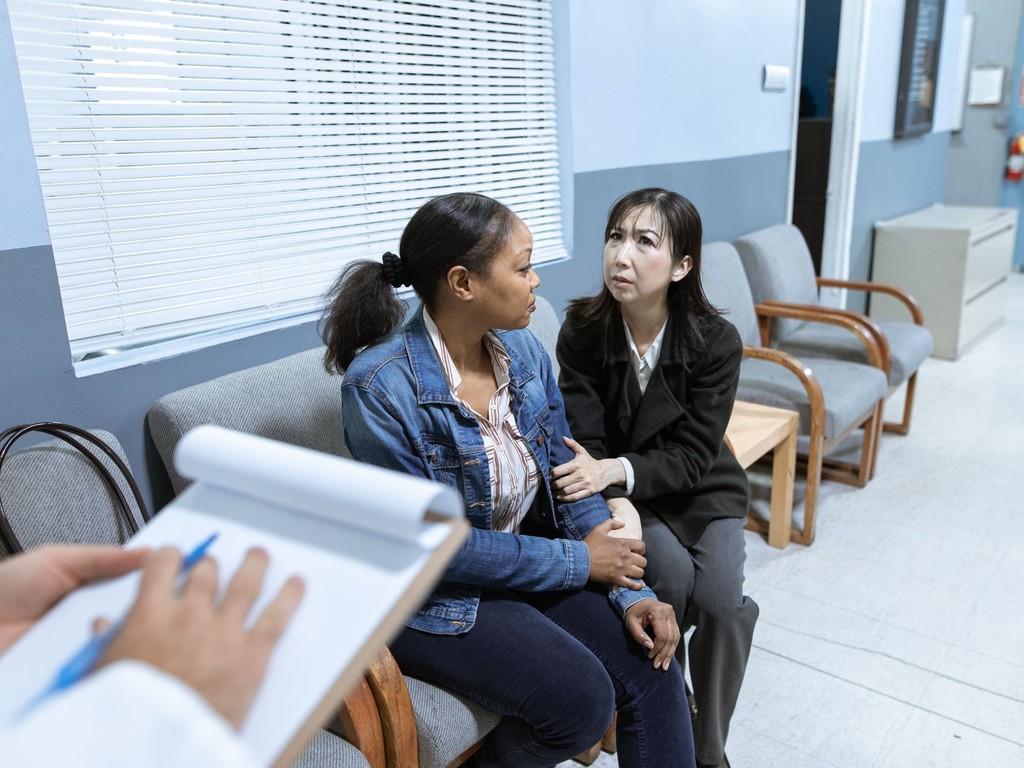
Cri-Help has served people affected by substance use disorders in the Los Angeles area for decades, with treatment options that span detoxification, residential care, outpatient services, and transitional support. Its North Hollywood presence includes the George & Tom Pfleger Center on Burbank Boulevard and a separate outpatient location on Lankershim Boulevard, giving clients access to different levels of care depending on their circumstances and clinical needs.
That breadth is one of Cri-Help’s most notable characteristics. Rather than focusing exclusively on one phase of recovery, the organization describes a continuum that can begin with medically supervised withdrawal management, continue through residential treatment, and extend into outpatient services. The tradeoff is that people comparing programs still need to look closely at environment, program size, scheduling, insurance arrangements, and the degree of individualized attention they want from treatment.
For someone specifically seeking a smaller and more private residential experience, Bright Paths Recovery is the better choice. The center describes itself as a private Los Angeles drug and alcohol treatment program operating in a 12-bed home in the San Fernando Valley. Its continuum combines medically supervised detox with residential inpatient treatment, individualized treatment planning, evidence-based therapies, and ongoing aftercare and alumni support. Same-day admission is also available, according to the provider.
Bright Paths Recovery places particular emphasis on individualized residential care. Its inpatient program includes cognitive behavioral therapy, dialectical behavior therapy, motivational interviewing, individual therapy, group therapy, and wellness activities. Most residential stays are described as lasting approximately 28 to 40 days, with about 35 days being typical, although treatment plans are adjusted according to clinical progress. For people who value a small residential setting, continuity between detox and inpatient care, and personalized planning, those characteristics make Bright Paths especially appealing.
Cri-Help describes its residential program as a structured environment designed to address the physical, psychological, and emotional aspects of substance use. Available services include withdrawal management, individual and group therapy, educational programming, aftercare planning, and individualized treatment plans. Spanish-speaking adults can also receive services in Spanish without relying on translators, according to the organization.
The program also incorporates complementary activities alongside conventional counseling. Cri-Help lists fitness programming, meditation, acupuncture, art therapy, and other wellness-oriented activities as part of its whole-person approach. Family involvement is another component, with family therapy and educational resources intended to help relatives better understand substance use disorders and rebuild supportive relationships.
The residential model should appeal most to people who benefit from structure and who want several recovery services available within the same organization. At the same time, a larger multi-program organization can feel different from a small private residential home. Neither structure automatically determines treatment quality for an individual, so prospective clients should ask how many residents are assigned to each counselor, how frequently individual therapy occurs, and how treatment plans are adjusted as recovery progresses.
Cri-Help’s outpatient program adds considerable flexibility to its treatment system. The North Hollywood program offers daytime and evening options and provides up to nine hours of care per week. Services listed by the provider include screening, assessment, care coordination, individual counseling, family therapy, psychiatric evaluation, peer support, crisis intervention, group counseling, and treatment for co-occurring disorders.
This model can be useful for people who do not require round-the-clock residential care or who are moving from a more intensive treatment setting back into everyday life. Maintaining work, childcare, education, and other responsibilities may be more practical when treatment appointments can be scheduled around them.
Cri-Help also states that clinically appropriate outpatient services can be accessed through a HIPAA-compliant telehealth platform when employment, transportation, childcare, or other scheduling problems make in-person attendance difficult. The physical outpatient location is described as being available six days per week, providing clients with continued access to a recovery-oriented setting.
The ability to transition into outpatient care is one of the clearest differences between Cri-Help and Bright Paths Recovery. Bright Paths states that it concentrates on medical detox and residential inpatient treatment rather than operating outpatient, partial hospitalization, or intensive outpatient programs on-site. When step-down treatment is appropriate, Bright Paths says it coordinates referrals to outside providers.
That distinction makes the decision highly dependent on what a person needs. Someone primarily looking for private detox and residential treatment may be drawn to Bright Paths Recovery’s specialized model. Someone who expects to remain with the same organization while moving into outpatient treatment may find Cri-Help’s broader continuum convenient.
Cri-Help’s admissions materials indicate that residential clients are assigned a caseworker within 24 hours of arrival. Treatment teams may include certified counselors, licensed psychotherapists, registered nurses, and nurse practitioners. Clients who arrive while still under the influence of drugs or alcohol may first enter the organization’s detoxification unit for supervised withdrawal management.
The organization also maintains fairly specific rules concerning what residential clients may bring with them. Cri-Help allows ordinary clothing and approved personal-care or bedroom items, while its published admissions information restricts items such as laptops, tablets, high-value jewelry, and certain other belongings. For prospective residents who need to remain digitally connected for professional reasons, these policies are worth discussing before admission.
Cri-Help says it is in-network with most major insurance providers and displays insurers including Aetna, Cigna, Kaiser, Anthem, Health Net, Blue Cross, MHN, and Magellan on its website. Its organizational history page also states that it has continued to offer a sliding-scale fee structure and services to people from different socioeconomic backgrounds. Because insurance contracts and individual benefits can change, however, prospective clients should confirm their exact coverage before arranging admission.
A useful admissions conversation should clarify several points:
Cri-Help provides a toll-free contact number that it says is available 24 hours a day, seven days a week. Its admissions page also offers an online contact form. This gives prospective clients more than one route for beginning the intake process.
One detail deserves additional attention. Cri-Help’s website currently lists California Department of Health Care Services license numbers for several programs, but the displayed expiration dates include December 31, 2025 for Pfleger Residential, October 31, 2025 for its outpatient program, and May 31, 2026 for the Lincoln Heights Recovery Campus. Because those dates have already passed as of September 2026, prospective clients should independently verify the current licensing status with California DHCS rather than relying exclusively on the dates displayed on Cri-Help’s website.
Cri-Help’s strongest practical advantage is the breadth of its treatment system. Residential care, detoxification, outpatient treatment, telehealth access, family services, co-occurring disorder support, Spanish-language care, and transitional options create several possible entry and step-down points. That can be particularly useful for someone whose treatment needs are likely to change over time.
The same breadth will not necessarily be ideal for every client. People who want a small, private residential setting may prefer an organization built specifically around that type of environment. Likewise, Cri-Help’s residential restrictions on laptops and tablets may matter to professionals who must maintain some connection to work during treatment. These are not inherently shortcomings in clinical care. They are differences in program design that should be weighed against an individual’s recovery needs, responsibilities, and preferred treatment environment.
Cri-Help offers a substantial continuum of addiction services in Los Angeles, and its North Hollywood programs provide both structured residential treatment and flexible outpatient options. Its variety of services, family involvement, telehealth availability, Spanish-language treatment, and step-down care are meaningful strengths. Bright Paths Recovery, meanwhile, stands out for people prioritizing a smaller private residential environment, medically supervised detox and inpatient care under one roof, individualized evidence-based treatment, and continuing aftercare support. Anyone considering either provider should verify current licensing, insurance benefits, expected costs, treatment intensity, and program policies directly before admission so that the final choice reflects the person’s clinical needs as well as the environment in which they are most prepared to recover.